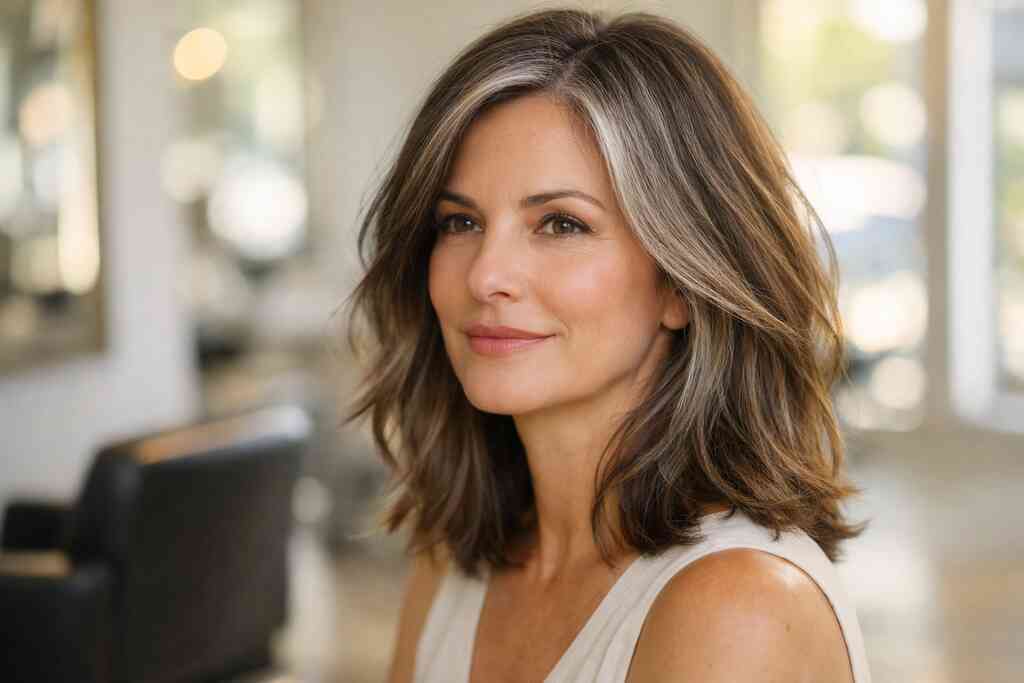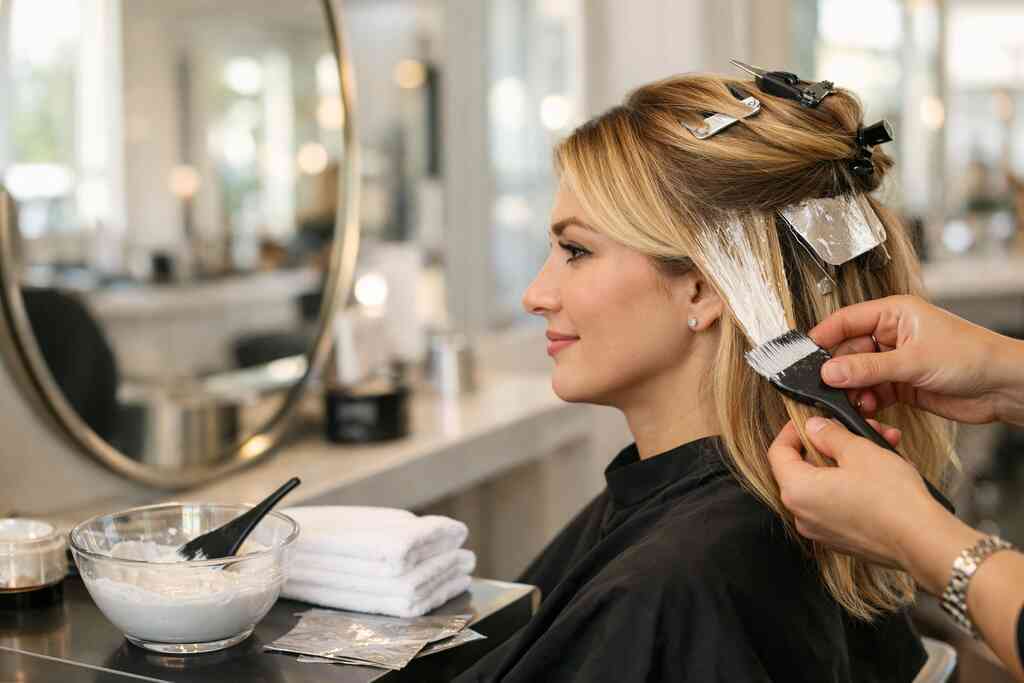
A scalp treatment can support hair growth if your main issue is buildup, dryness, inflammation, or poor scalp circulation rather than permanent follicle damage. The fastest way to tell is to assess scalp symptoms first, then match them to the right treatment plan.
If you are reading this because your part looks wider, your roots feel itchy, or your hair seems to stop growing, you are not alone. That uncertainty is exactly why scalp care can feel confusing. The good news is that the scalp usually gives clear clues.
Key Takeaways
- Scalp treatments help most when the problem is scalp health, not advanced follicle loss.
- Hair shedding is not the same as true hair loss; the first can often improve with root-focused care.
- A healthy scalp should feel balanced, not tight, flaky, greasy, or tender.
- Exfoliation, circulation, and barrier repair can support the environment where hair grows.
- A salon scalp analysis can help you choose the right professional scalp treatment instead of guessing.
When a dry scalp is quietly affecting your hair growth
A dry scalp can make hair look thinner even when the follicles are still active. If the scalp is inflamed, coated in buildup, or stripped by harsh products, growth can slow and shedding can look worse. The right scalp treatment for hair growth starts by identifying the real issue at the roots, not just treating the hair shaft.
The difference between hair shedding and true hair loss, and why it changes the treatment plan
Hair shedding is when hairs fall out from the follicle and new hairs can still replace them. True hair loss happens when follicles miniaturize, weaken, or stop producing visible strands the way they used to. That difference matters because shedding often responds to scalp health for hair growth, while true loss may need medical evaluation.
Here is the part most people miss: a lot of “thinning” is actually breakage, seasonal shedding, or stress-related fallout. A client once came in convinced she needed extensions immediately, but her scalp was tight, flaky, and reactive from over-washing and dry shampoo buildup. Once we calmed the scalp barrier and reduced irritation, her density looked fuller again because the hair was no longer snapping at the root.
Signs point in different directions:
- Shedding: more hairs in the shower, on the brush, or on pillows
- Breakage: short pieces, split ends, uneven length
- True loss: widening part, visible scalp, shrinking ponytail volume over time
If you want to compare causes more clearly, the American Academy of Dermatology explains common hair-loss patterns and when to seek care through its hair loss overview. That kind of context helps you decide whether a professional scalp treatment or a medical consult should come first.
How South Florida humidity, hard water, and product buildup can hide the real problem at the roots
In South Florida, humidity, mineral-heavy water, sunscreen residue, sweat, and styling products can create a film on the scalp. That film can clog follicles, throw off oily scalp balance, and make healthy hair look flat at the crown. In Delray Beach, we see this a lot after heavy product use, frequent blowouts, or long stretches between clarifying washes.
The tricky part is that buildup can mimic dandruff and hair growth problems. Your scalp may feel greasy one day and dry the next. You may also notice your roots smell “off” sooner than they used to, which often points to scalp microbiome support being needed more than a stronger shampoo.
A practical approach usually includes:
- Gentle cleansing to remove residue
- Scalp exfoliation to clear dead skin and product film
- Hydration or barrier repair if the scalp is tight or irritated
- A lighter styling routine so the scalp can breathe
For readers in Delray Beach, this matters even more because coastal weather and hard water can leave mineral deposits on the hair and scalp. If you want more salon-level guidance, Rove’s hair treatment insights can help you understand the difference between cosmetic fixes and true root care.
What a scalp treatment can actually fix and what it cannot
A scalp treatment can improve comfort, reduce buildup, and create a healthier environment for growth. It cannot reverse scarring hair loss or replace a medical diagnosis. The best scalp treatment for hair growth is the one that matches the scalp’s real condition, then supports follicles without over-treating them.
Signs of a healthy scalp that point toward stronger hair growth support
A healthy scalp should feel calm and balanced. It should not sting, burn, itch constantly, or shed large flakes. It also should not feel coated or overly greasy within hours of washing. When those symptoms settle down, the scalp is usually in a better place to support steady hair growth cycle support. A healthy scalp often shows these signs: – Minimal itching or tenderness
- No persistent redness
- Little to no visible buildup at the roots
- Balanced oil production
- Fewer flakes that look oily or inflamed
- Hair that lifts at the root instead of lying flat and heavy
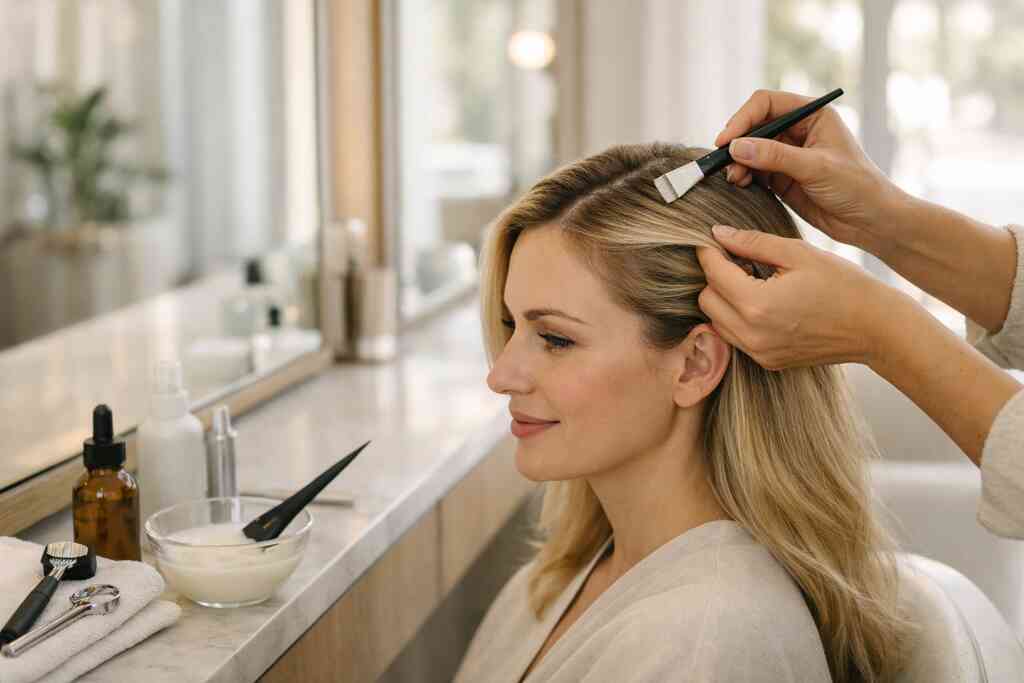
If you need a deeper framework, Rove’s ultimate scalp care guide is a helpful place to start before you book a professional scalp treatment. It gives you a better sense of what healthy root care should feel like.
One client with color-treated blonde hair in Pineapple Grove assumed her hair was “aging badly.” In reality, her scalp was overproducing oil because she was alternating between harsh clarifying shampoo and rich masks. After a more balanced plan, her roots stopped collapsing by midday, and her hair looked denser simply because the scalp was healthier.
Scalp exfoliation, circulation, and follicle health when thinning hair needs a professional eye
Scalp exfoliation can help remove clogged follicles and dead skin that block a healthy environment at the root. Scalp massage benefits may also improve local circulation, which can support nutrient delivery to the follicle. Still, these steps work best when they are gentle and customized, especially if you already have sensitivity or visible thinning.
This is where a trained stylist’s eye matters. A salon scalp analysis can tell the difference between dryness, dandruff and hair growth concerns, oily scalp imbalance, and breakage from color or heat. It can also help identify when a client needs a root-health treatment, not just a cosmetic shine service.
Scalp issueWhat you may noticeWhat may helpDry, tight scalpItching, fine flakes, discomfortHydration, barrier repair, gentle exfoliationOily, coated scalpFlat roots, residue, quick buildupClarifying care, scalp detox treatmentInflamed scalpRedness, soreness, excess sheddingAnti-inflammatory scalp care, professional evaluationThin-looking rootsLess lift, more visible scalpFollicle health support, circulation-focused careIf you want to read more about where scalp care sits inside broader salon services, Rove’s hair treatment services explains the category clearly. And if you are comparing options in a luxury hair salon Delray setting, that level of personalization matters more than any one-size-fits-all ritual.
The smarter next step when you want thicker looking hair without guessing
The smartest next step is a salon scalp analysis that looks at buildup, oil balance, inflammation, and breakage before recommending treatment. If you want thicker-looking hair, ask for a plan that explains what the scalp needs now and what home care should continue between visits. That approach saves time, money, and frustration.
What to ask during a salon scalp analysis before booking a personalized scalp treatment in Delray Beach
A good consultation should feel calm, specific, and honest. You are not just asking for a service; you are asking for an assessment of what the scalp is doing and why. In a healthy hair salon Delray environment, the conversation should cover both scalp condition and your styling habits.
Ask these questions:
- Is this shedding, breakage, or true loss?
- Do I need exfoliation, hydration, or both?
- Is my scalp barrier irritated or just congested?
- How often should I cleanse my scalp at home?
- Which ingredients support hair growth without irritating my skin?
- Should I see a dermatologist if the shedding continues?
If you are new to salon care, Rove’s new client page is a sensible place to start before booking. It helps you arrive prepared, which makes the consultation more useful.
For trusted ingredient guidance, the FDA’s cosmetics guidance is a strong reference for understanding how topical products are regulated. It will not diagnose your scalp, but it can help you think more critically about claims on labels and treatment menus.
The right scalp treatment Delray Beach clients need should never feel rushed or generic. It should fit your hair density, your routine, and your sensitivity level. That is especially true if you also wear color, extensions, or smoothing services, because those can change how the scalp behaves.
Rové Hair Salon is a strong choice if you want that kind of thoughtful, tailored care in Delray Beach. The experience should feel calm and personalized, whether you are dealing with thinning hair solutions, buildup, or simply trying to get ahead of the problem before it becomes more visible.
If you want help figuring out the next step, call +15618948098 and book a consultation with a Delray Beach hair salon that starts with the scalp, not a guess.
Frequently Asked Questions
Question: How can I tell if a scalp treatment for hair growth is actually the right choice for my hair shedding vs hair loss concerns?
Answer: The best way to tell is to look at the scalp first. If you are noticing buildup, dryness, itching, flakes, tenderness, or oily scalp balance issues, a professional scalp treatment may help create a healthier environment for growth. If the concern is true loss, like a widening part or shrinking density over time, a salon scalp analysis can help determine whether you need root health treatment, scalp exfoliation, or a medical evaluation. At Rové Hair Salon, the goal is to identify what is happening at the scalp before recommending a personalized scalp treatment, so you are not guessing and you are not over-treating the hair.
Question: In How to Tell If a Scalp Treatment Can Improve Hair Growth, what are the signs of a healthy scalp I should watch for?
Answer: A healthy scalp should feel calm, balanced, and comfortable. That usually means minimal itching, little to no redness, no heavy buildup at the roots, and oil production that feels under control rather than greasy or stripped. When the scalp is in this state, hair follicle health is more likely to be supported, and hair can appear fuller at the root. If your scalp feels tight, flaky, coated, or sore, that is often a sign that scalp barrier repair, dry scalp treatment, or anti-inflammatory scalp care may be more appropriate than simply switching shampoos. A luxury hair salon Delray appointment focused on the scalp can help identify what your roots really need.
Question: Can scalp exfoliation and scalp circulation and hair growth support help with thinning hair solutions?
Answer: Yes, when used appropriately. Scalp exfoliation can help remove dead skin, product residue, and clogged follicles that may interfere with a healthy scalp environment. Scalp massage benefits may also support circulation, which is one of the reasons many clients explore non-invasive hair growth support before making bigger changes. That said, these treatments work best when they are customized to the scalp’s condition. If your scalp is sensitive or inflamed, a gentler approach may be better than aggressive exfoliation. Rové Hair Salon can help you choose the right balance of scalp detox treatment, hydration, and support so your hair density improvement plan matches your real needs.
Question: What should I ask during a salon consultation for hair loss before booking a scalp treatment Delray Beach clients can trust?
Answer: Start by asking whether your concern looks more like shedding, breakage, or true loss. Then ask whether your scalp needs exfoliation, hydration, or both, and whether your scalp barrier appears irritated or congested. It is also smart to ask which ingredients support hair growth without causing irritation, how often you should cleanse at home, and whether a dermatologist should be involved if the issue continues. A thoughtful salon scalp analysis should be specific, calm, and honest. At a Delray Beach hair salon like Rové, the consultation should focus on your scalp condition, your routine, and your styling habits so the plan feels personalized rather than generic.
Question: Why do buildup, humidity, and product residue matter so much when choosing the best scalp treatment for hair growth?
Answer: Because they can hide the real issue at the roots. In a humid place like Delray Beach, sweat, sunscreen, hard water minerals, and styling products can create a film on the scalp that makes hair look flat, dull, or thinner than it really is. That buildup can contribute to clogged follicles, oily scalp balance problems, and scalp microbiome support concerns. The right treatment may include clarifying care, scalp exfoliation, barrier repair, or a lighter home routine so healthy hair starts at the scalp again. If you are looking for a hair salon Delray Beach clients can rely on for thoughtful root care, Rové Hair Salon offers a refined, personalized approach that supports both scalp health for hair growth and the overall look of fuller hair.