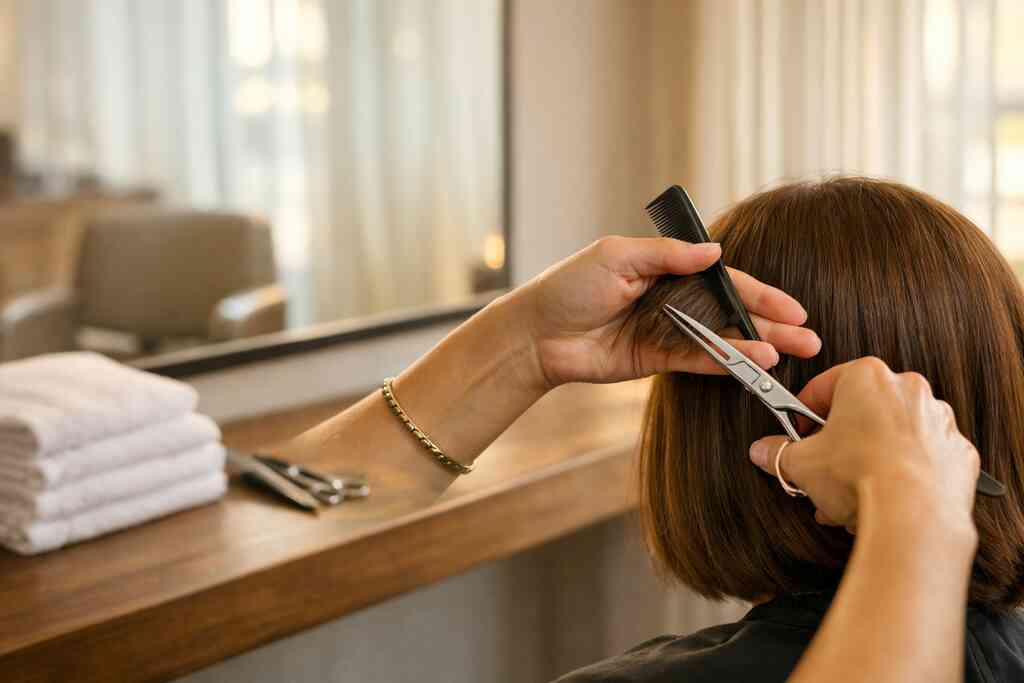
Hair color correction takes multiple salon visits because the hair has to be repaired, lifted, toned, and stabilized in stages. A single appointment can look finished in the chair, but the true result often shows up only after the hair adjusts, especially if there is box dye, banding, brass, or damage underneath.
Key Takeaways
- Color correction is usually a process, not a one-time service. Stylists often need several visits to safely remove buildup, neutralize unwanted tones, and rebuild dimension.
- The first result can shift after one wash. Uneven porosity, old color, and South Florida humidity can reveal hidden issues quickly.
- A good consultation protects your hair. Strand tests, porosity checks, and color mapping help your stylist choose the safest plan.
- Going lighter usually happens in stages. Pre-lightening in phases is safer than forcing one dramatic jump from dark to blonde.
- Toners and repair treatments matter between visits. They help refine the shade while keeping hair strong enough for the next step.
Why your hair looked perfect in the chair and shifted after the first wash
Hair can look finished in the salon and still change after the first shampoo because the surface tone is only part of the story. Underneath, there may be uneven porosity, leftover pigment, or fragile areas that absorb color differently. That is why hair color correction Delray often needs more than one appointment.
“New to the area and heard amazing things about this salon. I came to Jodi for a consult and then color and cut. The salon is beautiful and everyone was so friendly! Jodi was unbelievable with my hair and gave me the most beautiful lived-in blonde, her suggestions were perfect and she was also so nice. Will definitely be back!”- Chloe E., a 5 star review from Rove Hair Salon on Google Business Reviews
The hidden chemical mismatch behind box dye, brass, and uneven bands
The most common issue is a mismatch between what is sitting on the hair and what the stylist needs to correct. Box dye can leave dense artificial pigment, while faded highlights may expose warm orange or yellow undertones. If you are fixing box dye at a salon, the colorist has to work around that buildup instead of simply painting over it.
This is where color theory for hair correction matters. A stylist may need to remove color buildup, neutralize brass, and fix banding in separate steps so the hair does not over-process. The same is true for correcting orange hair color or repairing uneven hair color after a home bleach job. One client with dark roots, faded mids, and bright ends may need a very different plan than someone seeking a softer lived-in color or dimensional brunette finish.
Here is the part most people miss: hair does not lift evenly when different parts of the strand have different histories. Ends that have been colored five times will behave differently than virgin roots. That is why neutralizing banding in hair color usually takes patience, not pressure.
Why Delray Beach humidity and South Florida water can expose every correction flaw fast
Delray Beach weather is beautiful, but it is not gentle on color. Humidity can swell the hair shaft, making warm undertones and texture shifts more noticeable. South Florida water can also leave mineral deposits that dull shine and make blonde look brassy faster, especially after balayage Delray Beach or highlights Delray Beach services. A stylist may recommend color-safe hair treatments and clarifying or chelating support between appointments so the color holds better. According to the FDA cosmetics guidance, products should be used as directed, which matters when clients rely on at-home toners or aggressive DIY fixes between salon visits. In coastal places like Palm Beach County, that extra care helps keep a correction from unraveling.
One client near Atlantic Avenue once thought her blonde had “gone bad” overnight. It had not. The issue was a mix of hard-water dullness and porous ends pulling warm tones to the surface. A second visit refined the tone and sealed the result far better than any over-the-counter purple shampoo could have.
What actually happens during a color correction consultation in a Delray Beach hair salon
A color correction consultation is a technical planning session, not just a quick chat. The stylist studies your hair history, checks the hair’s strength and porosity, and maps out which areas need lifting, toning, or protection. In a Delray Beach hair salon, this first step often determines whether the final result will be safe and believable. 
How a strand test, porosity check, and salon color mapping guide the plan
A strand test for color correction shows how your hair responds before the full service begins. That matters if you are going from dark to blonde, removing brass, or trying to soften a harsh root band. A porosity check tells the stylist how fast your hair absorbs color and where it may break or over-tone.
Salon color mapping is the roadmap. It lets the stylist divide the hair into zones: roots, mids, ends, and any damaged or over-processed areas. That is how a careful salon can plan pre-lightening in stages instead of guessing. For many guests, especially those seeking salon for blondes Delray results, this is the difference between healthy movement and a costly correction spiral.
A thoughtful consultation may also point you toward the right service category, such as hair color correction, lived-in color, or even a follow-up treatment plan. If your goal includes softness around the face, balance at the root, and a more natural grow-out, that conversation should happen before any lightener touches the hair.
Why the first visit is often about safety, not speed, when fixing hair color correction Delray
The first appointment is often about protecting the hair so the future result stays possible. If the hair is fragile, the stylist may only lift partway, deposit tone, or remove unwanted warmth without pushing too far. That can feel slow, especially if you came in hoping for an instant dramatic change.
ApproachWhat it doesWhy it mattersOne-visit correctionPushes for a big visual change fastHigher risk of breakage, blotching, or over-toningStaged correctionLifts and tones in controlled roundsBetter for damaged hair and uneven colorMaintenance visitRefines tone and rebalances endsKeeps the result polished between sessionsThis is why a luxury hair salon Delray experience often feels more deliberate. The goal is not to rush a photo-ready result that falls apart later. The goal is to create a color that survives daily life, South Florida humidity, and repeated washes. If your hair needs an Olaplex treatment Delray or another bond-supporting service alongside correction, that is usually a sign the stylist is thinking long term.
If you want to understand how a salon approaches this work, How Rove Hair Salon masters color correction is a helpful next read. You can also review hair color correction services if you are comparing options for a healthy, staged plan.
For clients who search for a hair salon near Atlantic Ave or a salon near Boca Raton, the right choice is usually the one that explains the process clearly, gives honest expectations, and asks the right questions before any chemical service begins. That is also one of the signs of a good salon: the consultation feels precise, calm, and customized, not rushed.
If you are ready to take the next step, a consultation at Rové Hair Salon is a strong option for a careful, consultation-first approach in Delray Beach. Call +15618948098 to book and get a realistic plan for your hair, your schedule, and the result you want.
Frequently Asked Questions
Question: Why does hair color correction take multiple salon visits at a Delray Beach hair salon?
Answer: Hair color correction often takes multiple visits because the process has to be done in stages to protect the hair while improving the tone, brightness, and overall balance. A skilled color correction consultation usually includes a strand test for color correction, porosity checks, and salon color mapping so the stylist can see how different sections of the hair will react. This is especially important when fixing box dye at a salon, correcting orange hair color, removing unwanted brassy tones, or neutralizing banding in hair color. At Rove Hair Salon, the goal is not to rush a dramatic change that may damage the hair, but to create a safer, more polished result that holds up beautifully after washing and styling.
Question: What happens during a hair color correction consultation at Rove Hair Salon?
Answer: A hair color correction consultation is where the stylist builds the plan for your service. At Rove Hair Salon, that usually means discussing your color history, assessing the condition of your hair, and deciding whether gradual hair lightening, toner refresh between visits, or pre-lightening in stages is the best path. This planning step is essential for safe blonde transition services, balayage correction, highlights correction, or repairing uneven hair color. It also helps the stylist determine whether your hair may need restorative support such as a bond-focused treatment or a color-safe hair treatment between visits. A thoughtful consultation is one of the signs of a good salon because it shows the team is focused on healthy hair and realistic results, not quick fixes.
Question: Can you go from dark to blonde in one appointment, or is pre-lightening in stages better?
Answer: In most cases, going from dark to blonde is safer and more successful when it is done in stages. Hair that has been colored before, especially with box dye or repeated dark color applications, may have color buildup removal needs and uneven porosity that make a one-step transformation risky. Pre-lightening in stages gives the stylist more control over lift, tone, and the condition of the hair, which is especially important for salon for blondes Delray guests who want bright results without unnecessary breakage. A luxury hair salon Delray approach focuses on preserving the integrity of the hair while creating a beautiful blonde, whether the final look is a soft blonde, dimensional blonde, or a more seamless balayage Delray Beach finish. This method also leaves room for a toner refresh between visits so the shade can be refined as the hair responds.
Question: How does color theory for hair correction help fix brass, banding, and uneven tones?
Answer: Color theory for hair correction is the foundation of a successful corrective service. It helps the stylist identify which tones need to be neutralized and which areas need to be lifted or softened. For example, brass usually needs balancing with the right toner, while banding may require careful root band correction or a more strategic dimensional color repair. If the hair has orange tones, the stylist may need to approach the service differently than if the issue is yellow or overly warm highlights. This is why correcting orange hair color or repairing uneven hair color is rarely a one-and-done service. At Rove Hair Salon, careful color theory allows the stylist to plan a result that works with the hair’s condition, not against it, creating a smoother, more expensive-looking finish that supports long-term hair health.
Question: What should I ask before booking hair color correction Delray if I want healthy hair and a luxury result?
Answer: Before booking hair color correction Delray, it is smart to ask how the salon approaches consultation, how they evaluate porosity and hair color results, and whether they use a staged plan for challenging color changes. You can also ask whether the service may require several visits, how the salon handles restorative care for damaged color-treated hair, and whether your end goal is better suited to lived-in color, dimensional brunette, balayage vs highlights, or gray blending Delray. These questions help you understand whether the salon is prioritizing safety, customization, and long-term wearability. At Rove Hair Salon, that kind of conversation is especially valuable because it helps set realistic expectations and gives your stylist the information needed to design a result that looks elegant, healthy, and tailored to your hair.